Furka, Grimsel and Susten: three Swiss passes, a glacier and James Bond
Two were built for the army in the 19th century, the third was Switzerland's first alpine road made for cars. Between them stand an empty hotel, a hospice under a lake and a glacier that has retreated almost two kilometres.
On 7 July 1964 a film crew was at work on the hairpins above Realp. An Aston Martin, a Rolls-Royce and a Ford Mustang raced up the Furka pass for a week of shooting, and about six minutes of it made it into Goldfinger, which opened that September. The crew stayed at the Hotel des Alpes in Realp.
The road James Bond drove was already a hundred years old. It is one of three passes — Furka, Grimsel and Susten — that together make the classic loop from Andermatt.
The Furka: a road for the army
The Furka was crossed long before it had a road. Walser settlers moved over it in the twelfth century. Goethe crossed it in deep snow on 12 November 1779 and spent the night at the Capuchin hospice in Realp.
The road came in the 1860s. The cantons of Uri and Valais built it as a carriage road from Oberwald to Hospental between 1863 and 1866 — some sources give 1864 as the start — and the Swiss Confederation paid two-thirds of the cost, according to the Historical Dictionary of Switzerland, “because the road was in its military interest”. The federal inventory of historic routes says the same: an engineered road, built mainly for military reasons, with federal money.
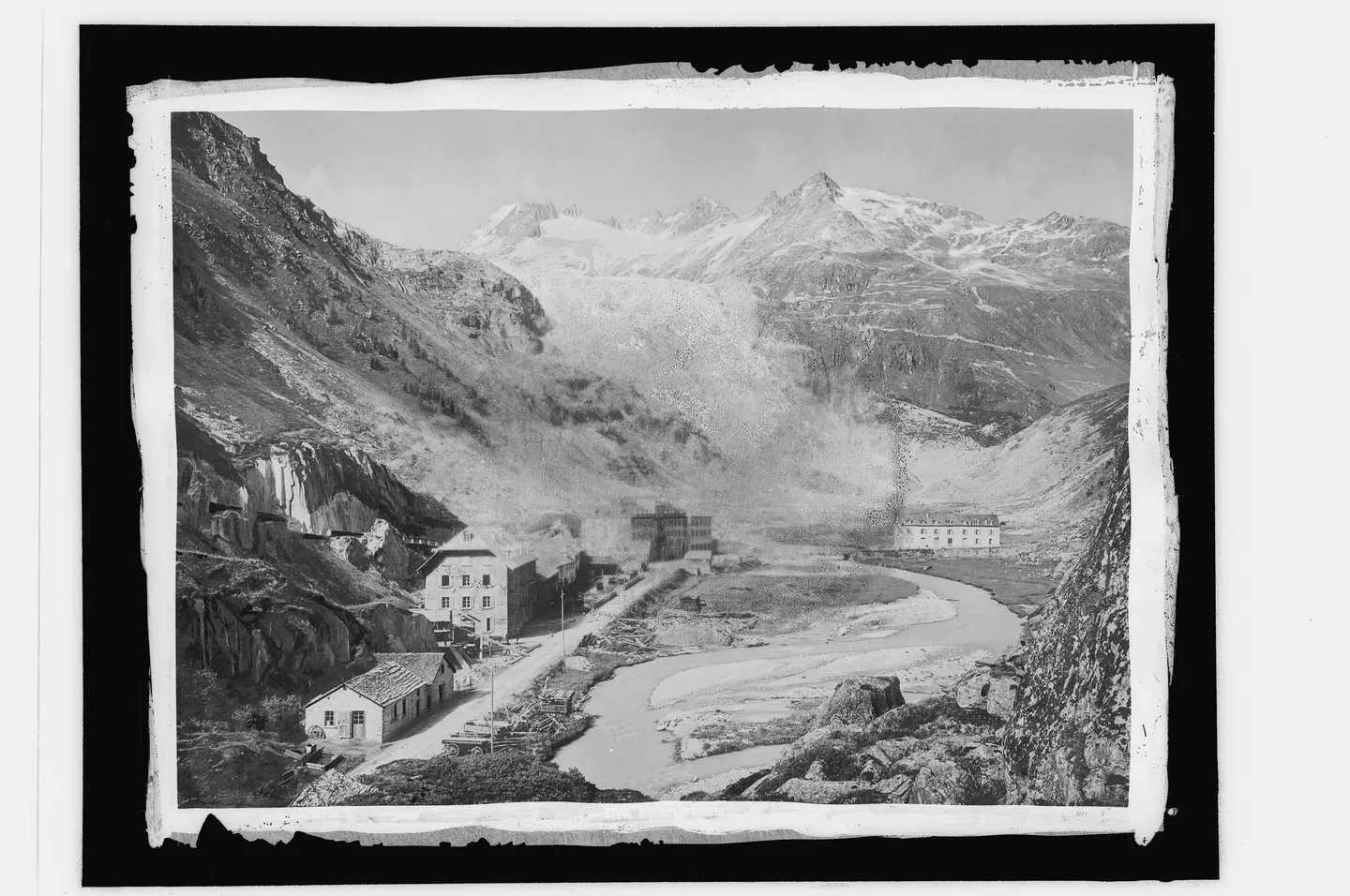
Tourism grew alongside the road. The first inn at Gletsch had opened in 1830; from 1856 the Seiler family and others built up the hotel trade, and by 1930 there were about six hundred hotel beds between Gletsch and Realp.
The hotel in the hairpin
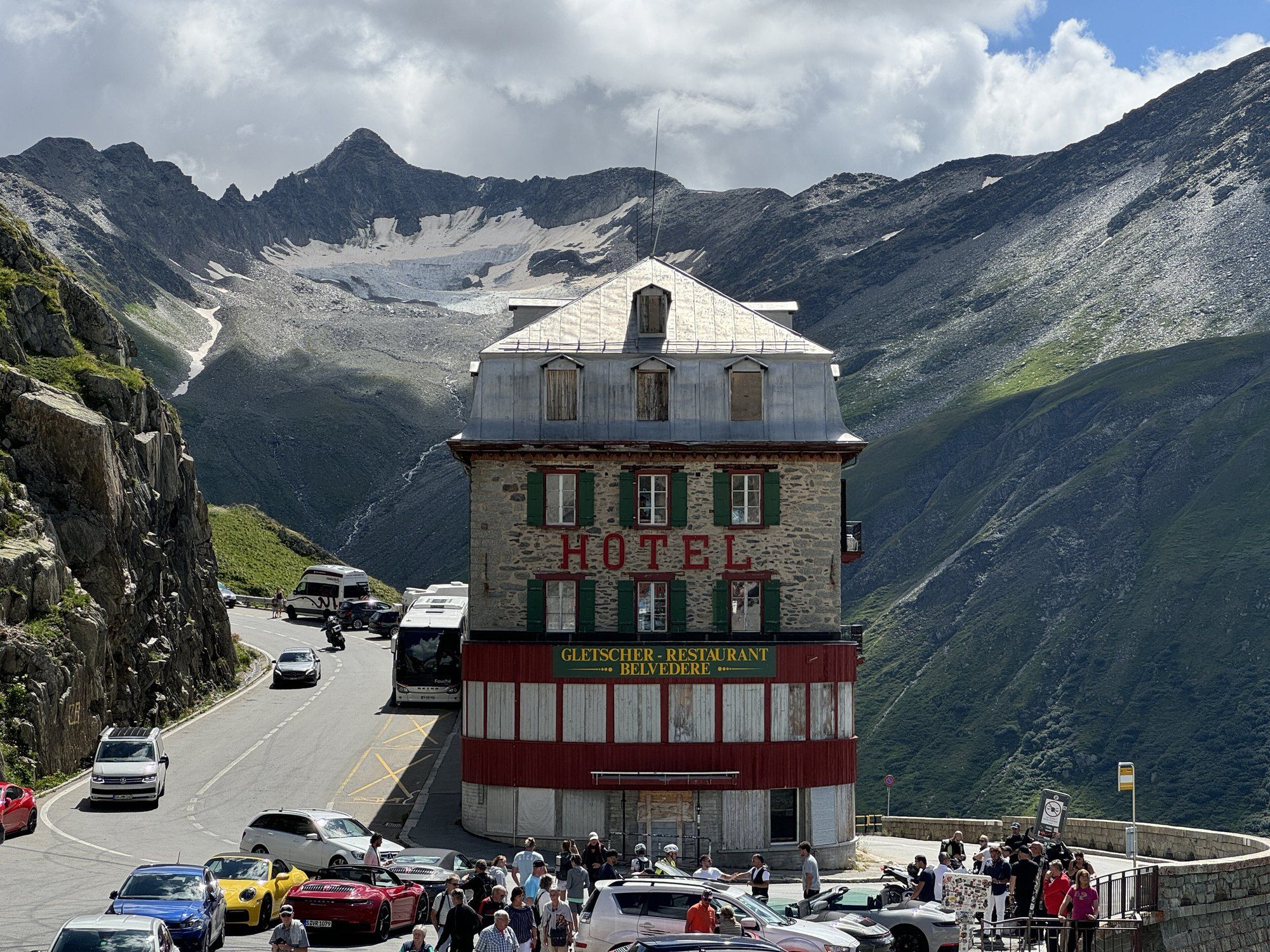
The most famous of them was built in 1882 by Josef Seiler, then 24 years old, in a hairpin on the Valais side, above the Rhône Glacier. The Hotel Belvédère was enlarged in 1894 and again in 1903–04, when it got its mansard roof. The Carlen family from Brig bought it in 1988.
It closed in 2015 — according to Swissinfo, because the pressure of keeping the old building going had become too much. When Swissinfo reported on it in 2023, it stood empty and was for sale.
The glacier that walked away
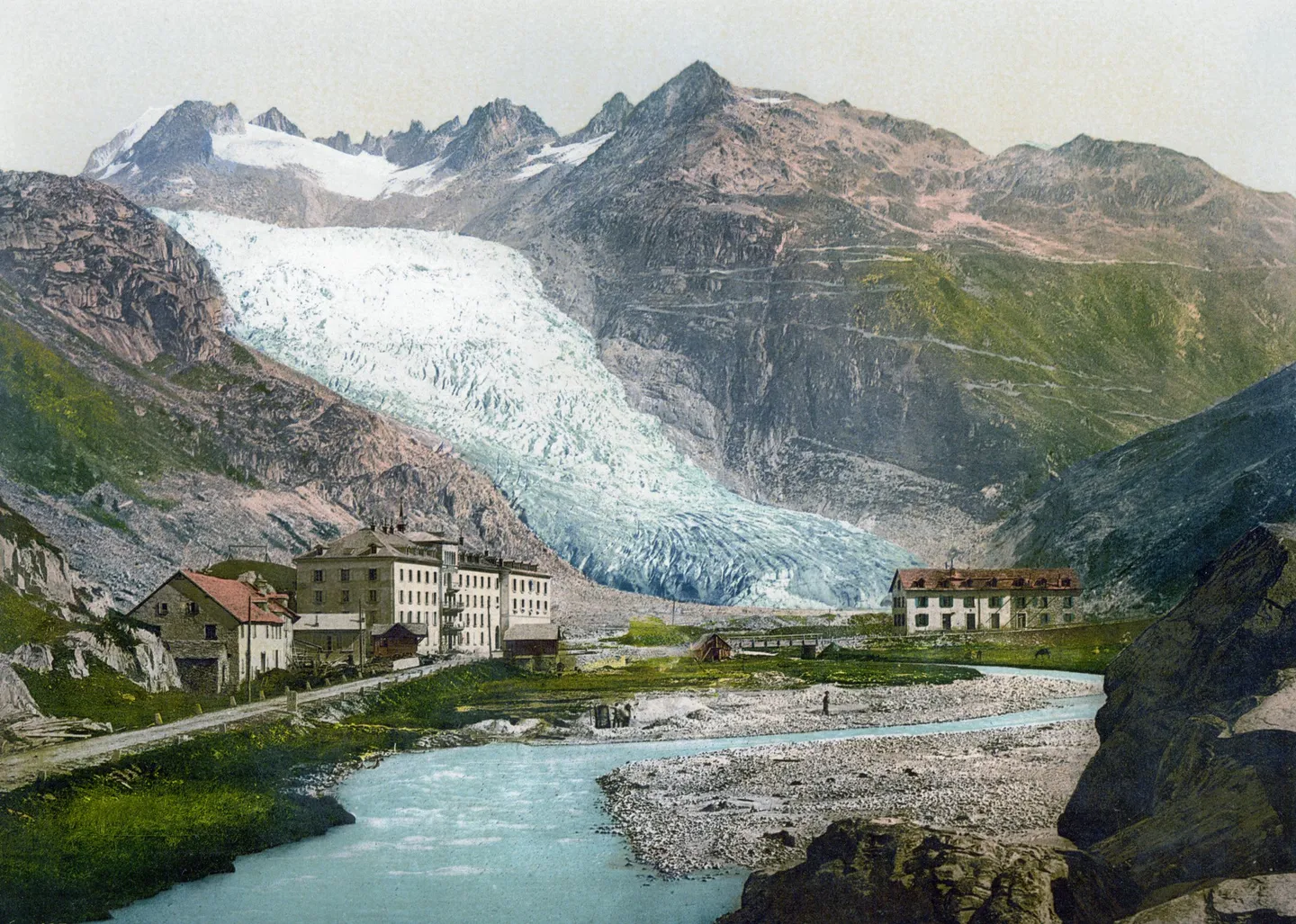
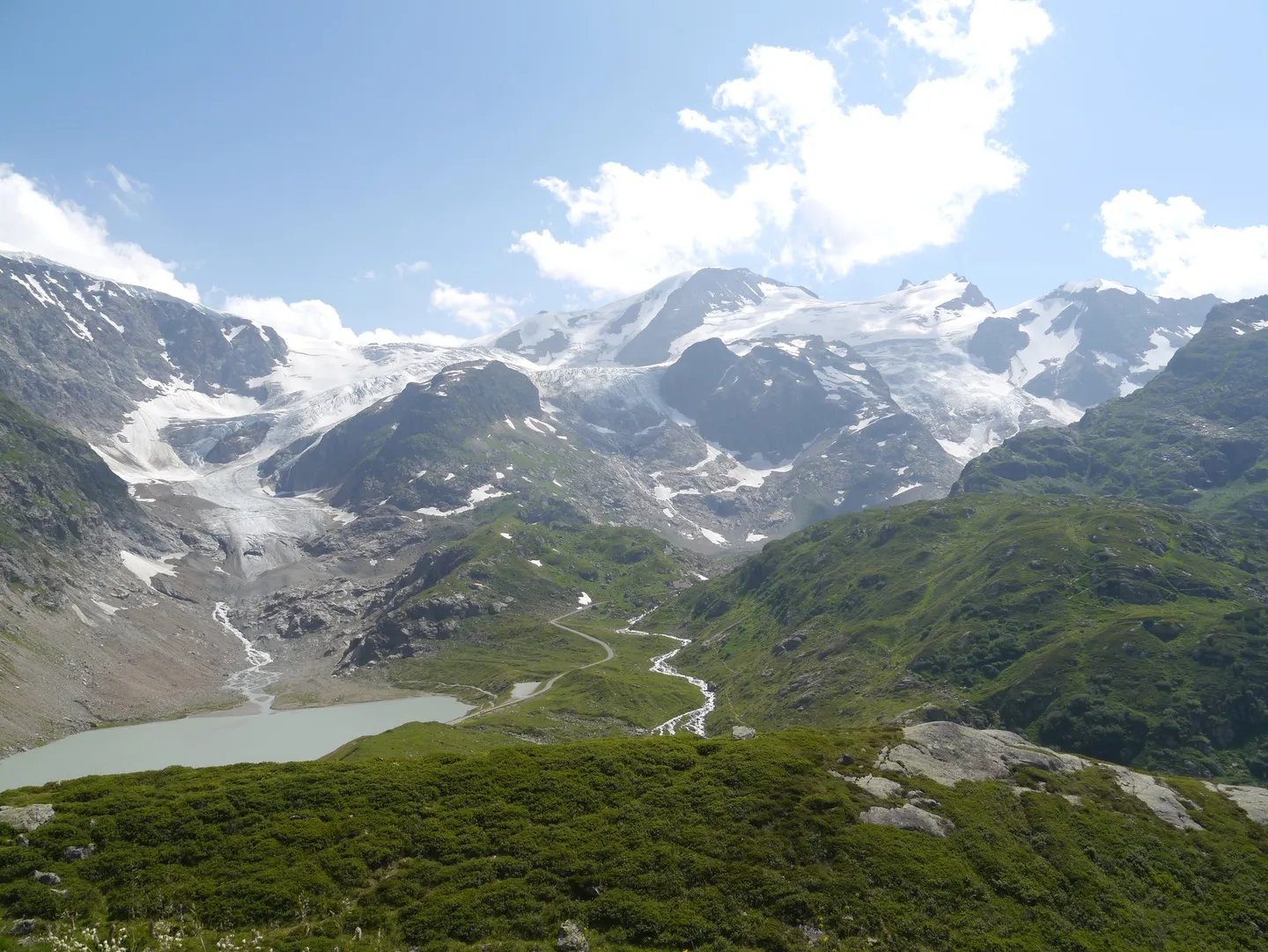
The Belvédère looks out over the Rhône Glacier, and the glacier has been leaving ever since. The Swiss glacier monitoring network GLAMOS has measured the position of its tongue since 1879. Adding up its official measurements, the glacier has retreated by about 1,845 metres since then — some 647 metres of that since 2000, and 115 metres in 2023–24 alone, the largest annual loss since 1944.
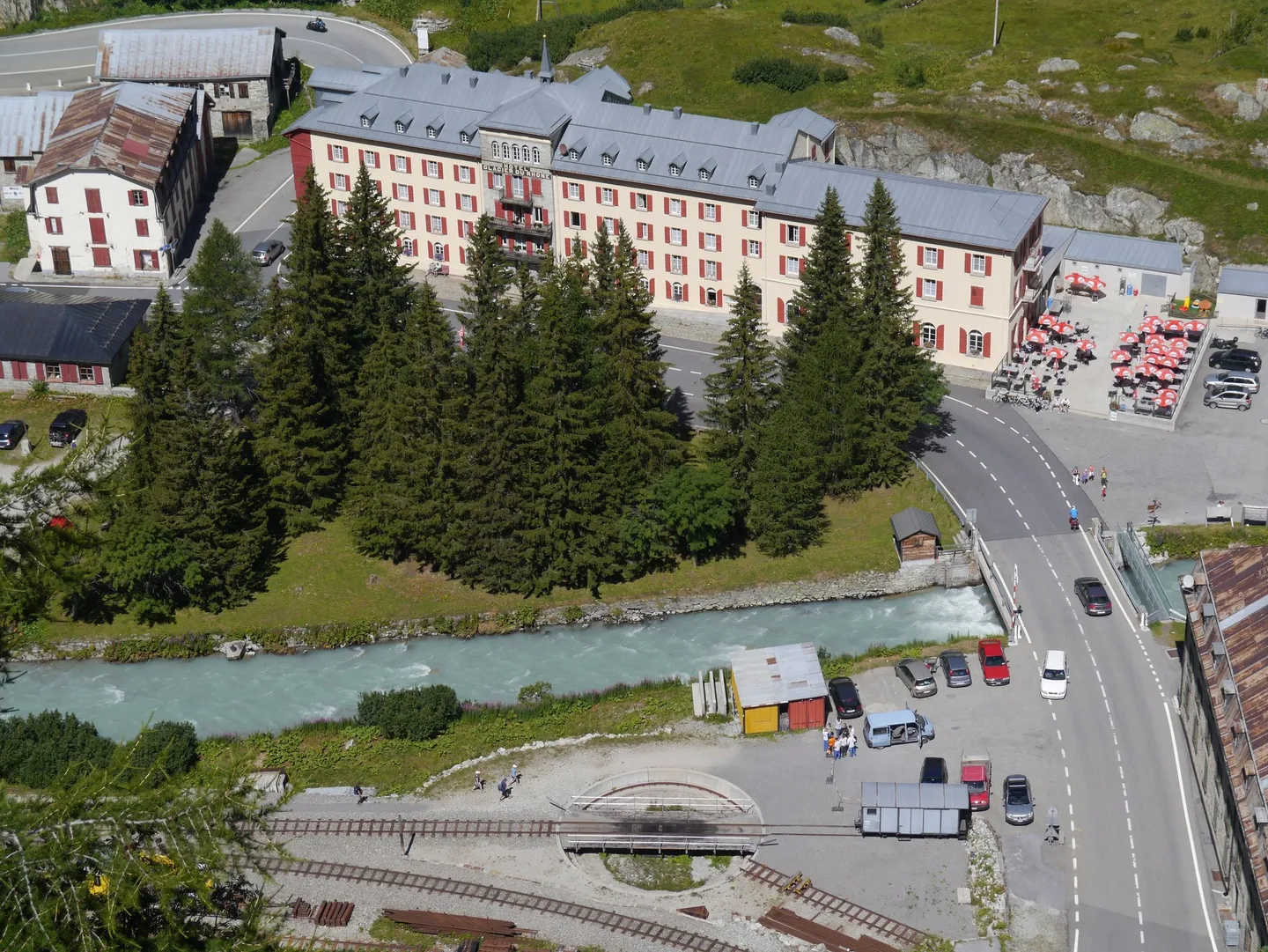
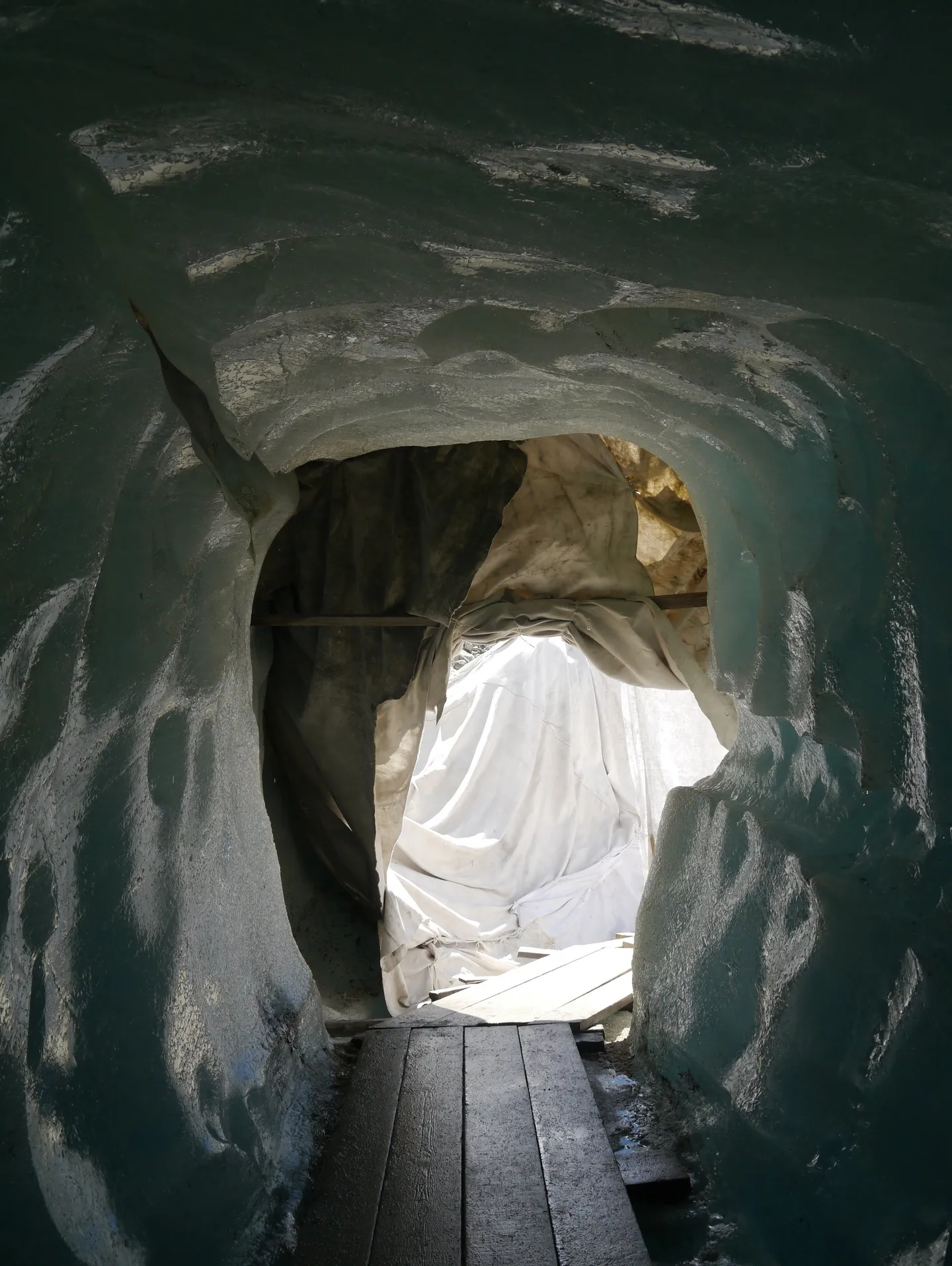
The Carlen family still runs an ice grotto in the glacier. How old the tradition is depends on whom you ask: the family says it has run an ice grotto “since about 1830”; the Urner Zeitung reported in 2016 that the first grotto was cut around 1870 near Gletsch and moved up to the Belvédère in 1894. In summer the ice around it is covered with fleece blankets to slow the melting. The operators are clear that this does not save the glacier.
The Grimsel: a hospice under the lake
From Gletsch the Grimsel road climbs north. It opened in the autumn of 1894 — the power company KWO, which runs the hospice today, gives 1895 — and again the Confederation paid two-thirds of the cost for military reasons. By then the mule traffic over the Grimsel had already died away, killed off by the Gotthard railway, which opened in 1882.
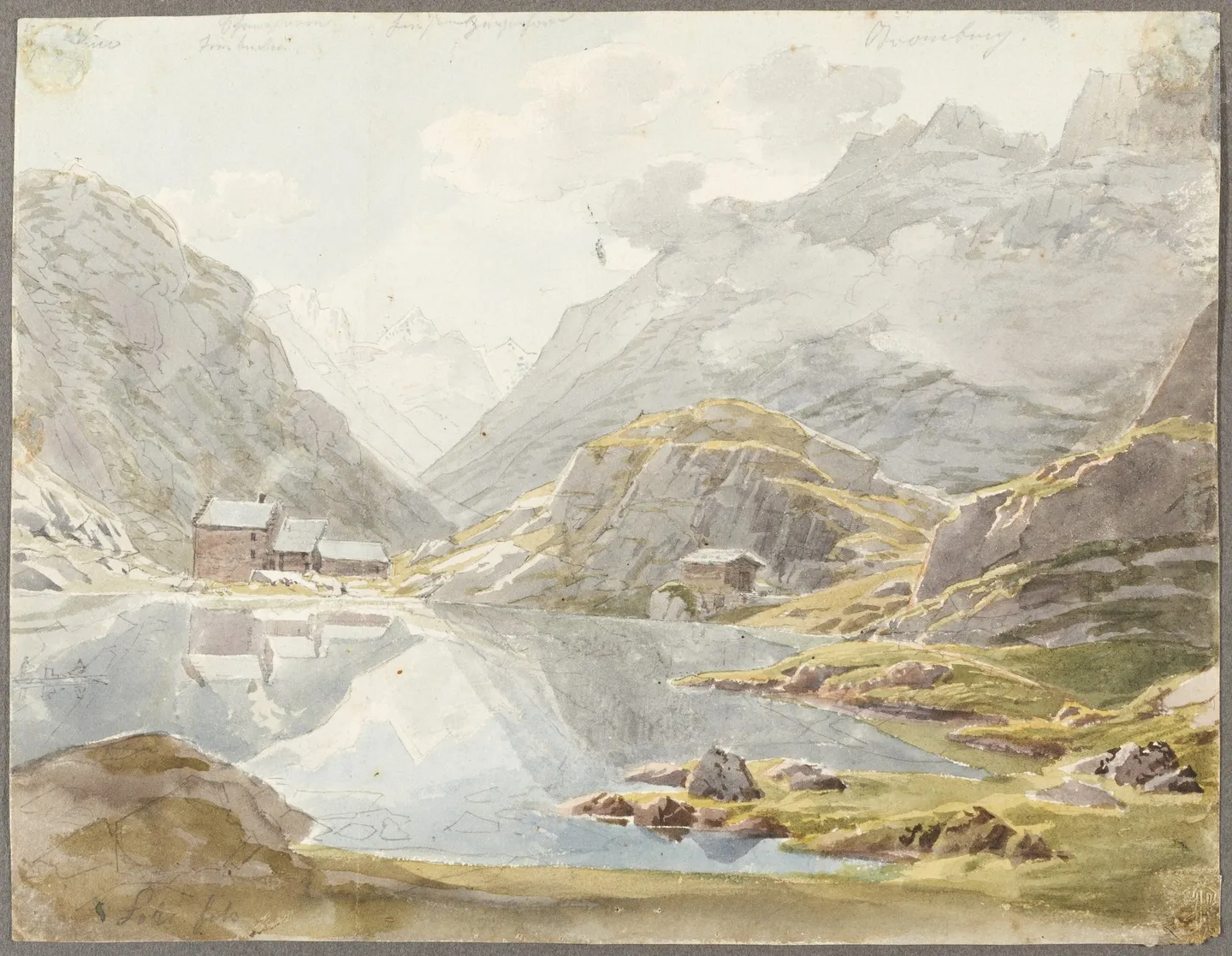
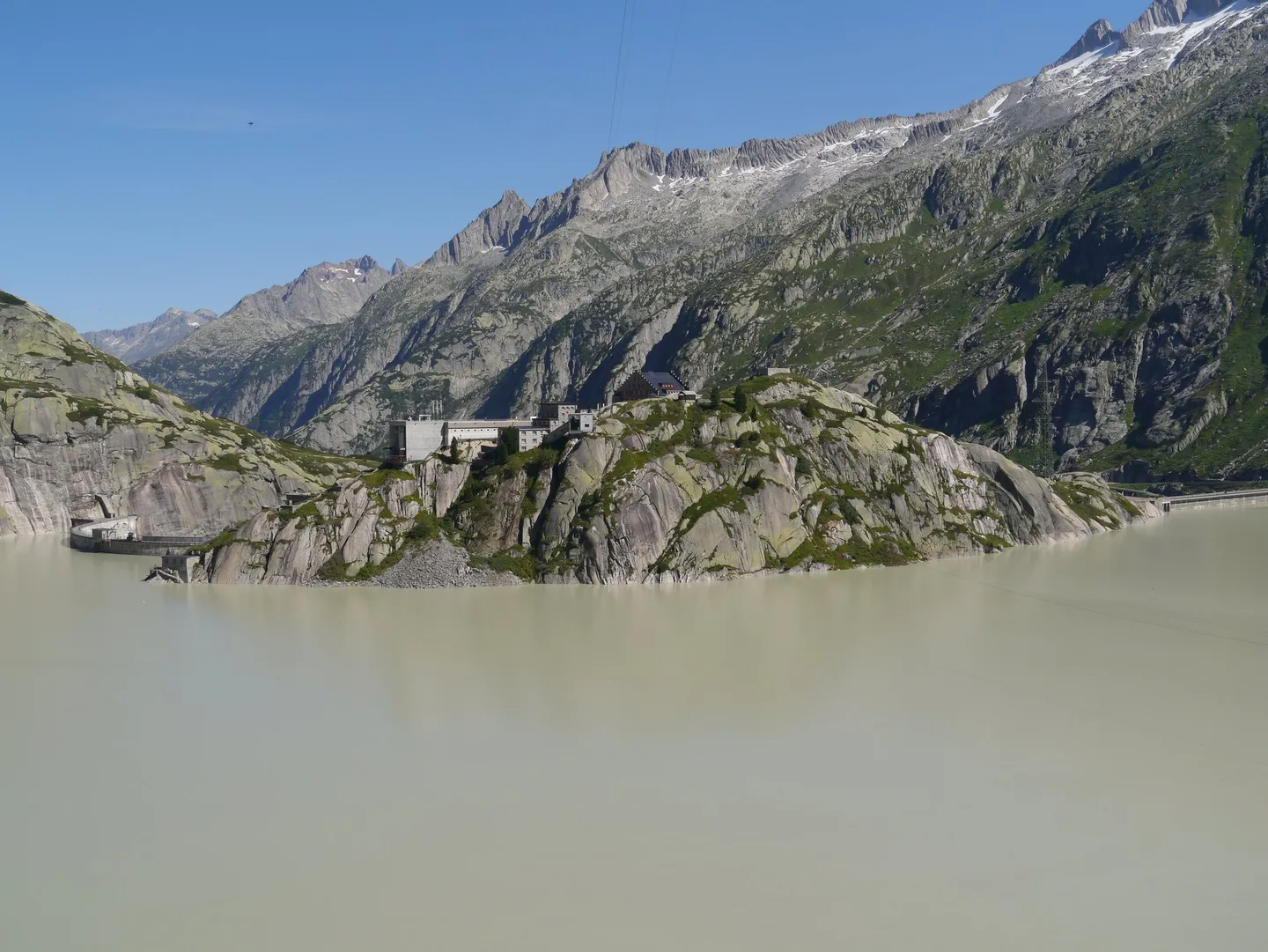
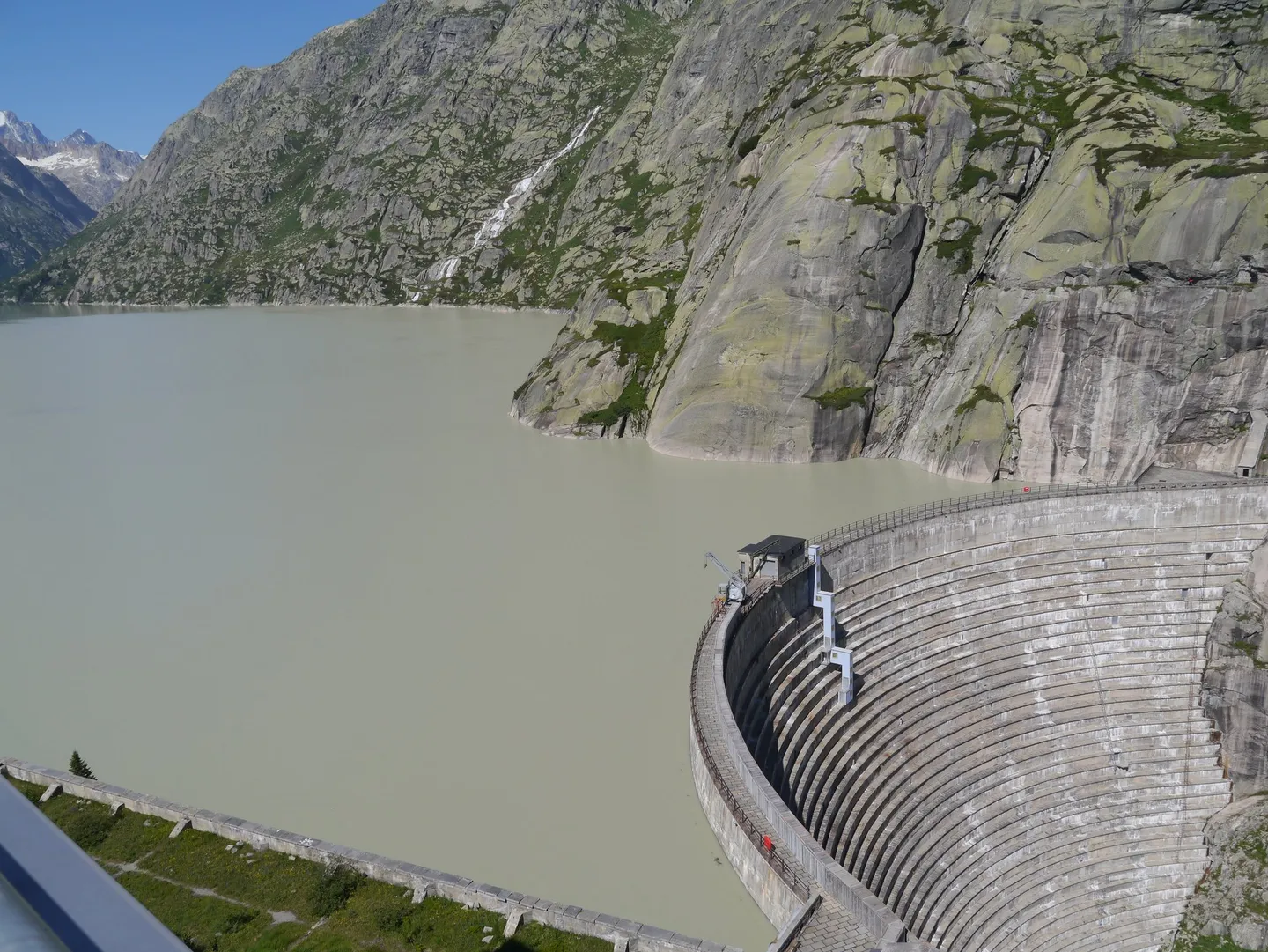
The Grimsel had had a hospice since at least 1397. It was buried by an avalanche in 1838 and burned down in 1852, set on fire by its own tenant, who was sentenced to death and then pardoned. In 1909 the Bernese power company BKW bought the site to build a reservoir, and in 1928 the old hospice disappeared under the water of the new Grimselsee. A new hospice went up on the rock above it.
The Susten: the first road built for cars
The third pass is different. The Susten road was not a carriage road improved for motor traffic; according to the federal inventory of historic routes, it was the first alpine road in Switzerland newly built for cars. Voters in Bern approved it in 1937 and in Uri in 1938, and work began as Switzerland came under pressure from the Axis powers: the Susten was meant as a replacement, in an emergency, for the “extremely vulnerable” crossings of the Furka and the Grimsel, and to strengthen the Gotthard fortress.
It took seven years and cost 31.8 million francs. The workmanship shows: every concrete element is faced with gneiss and granite from the excavation, the hairpins were laid in small cobbles for grip, and the kilometre stones are granite. The road climbs to 2,225 metres through a 325-metre summit tunnel, and nowhere is it steeper than nine per cent.
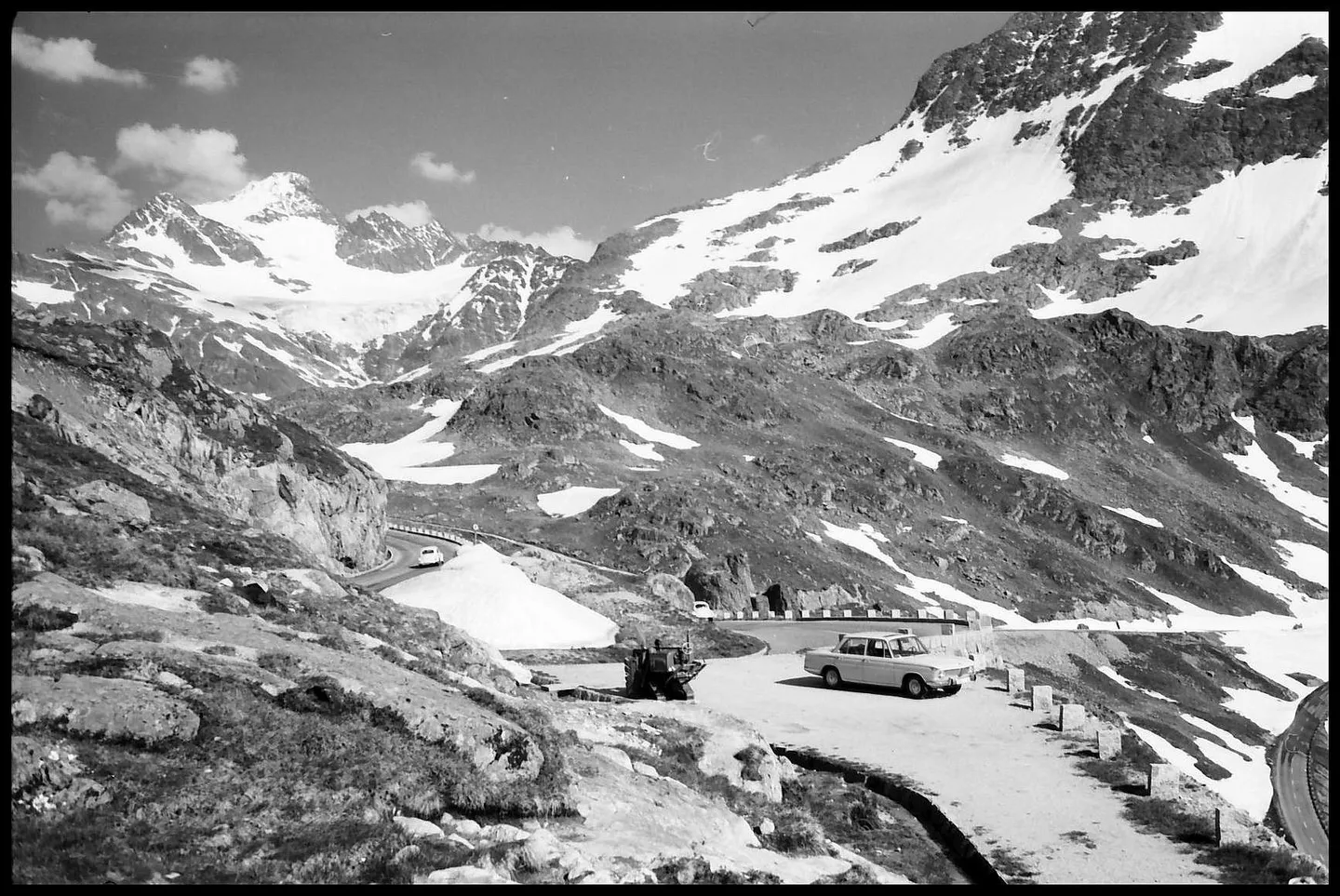
It opened on Sunday 7 September 1946. That day, 15,000 vehicles drove over the pass — about twelve per cent of all the motor vehicles registered in Switzerland.
The yellow buses
The first scheduled postbuses crossed the Grimsel and the Furka on 20 June 1921. A century later the four-pass postbus route, at eight hours and 45 minutes, is the longest direct public-transport connection in Switzerland, and in 2018 the pass routes carried a record 151,000 passengers.
The railway came a different way. Trains reached Gletsch in 1915, and the Furka-Oberalp line ran through from 1926. Since 1982 a base tunnel has carried trains under the pass all year. The old summit line was closed — the last train ran over it in October 1981 — and in 1983 volunteers founded an association to bring it back. Since 12 August 2010 a steam railway has run over the whole summit line again.
Before you go
The passes are summer roads. The Canton of Uri publishes the opening and closing dates of the Furka and the Susten every year. In 2025 the Furka was open from 28 May to 27 October, and the Susten from 6 June to 27 October. Since 2000 the Furka has opened as early as 7 May and as late as 21 June. Check www.ur.ch/strasseninfos before you go.
The altitudes. Furka 2,429 metres (the Historical Dictionary gives 2,431), Grimsel 2,164 metres, Susten 2,225 metres at the highest point of the road.
Or leave the car. Postbuses run over the passes from June to early October; the three- and four-pass routes need a seat reservation by 16:00 the day before, and bicycles must be booked the day before too.
Drive it yourself
The day-by-day route, real costs and where to sleep are in the itinerary. The planner draws it on the map from wherever you start.
Sources
- Historisches Lexikon der Schweiz — Furkapass
- Historisches Lexikon der Schweiz — Grimselpass
- Historisches Lexikon der Schweiz — Sustenpass
- IVS (Inventar historischer Verkehrswege der Schweiz) — VS 3 Furka
- IVS — VS 4 Grimsel
- IVS — UR 4.4 Sustenstrasse
- SAC Die Alpen — Kleine Kulturgeschichte der Furkastrasse
- Historische Hotels — Hotel Belvédère am Furkapass
- Swissinfo — Swiss lost places: Hotel Belvédère (2023)
- GLAMOS (2025) — Swiss Glacier Length Change, doi:10.18750/lengthchange.2025.r2025
- Gletscher.ch — Rhône Glacier ice grotto, history
- Urner Zeitung — Die Touristenattraktion am Furkapass schmilzt dahin (2016)
- Grimselwelt — Grimsel Hospiz, history
- SRF — Goldfinger Files: als James Bond am Furkapass unter Beschuss geriet (2021)
- SRF — Bond-Film Goldfinger wird 60 (2024)
- PostAuto — Seit 100 Jahren fahren Postautos über Grimsel und Furka (2021)
- Dampfbahn Furka-Bergstrecke — history of the association
- Kanton Uri — Öffnungs- und Schliessungsdaten der Pässe 2000–2025
Every fact in this story comes from the sources above. Where they disagree, the text says so. Found a mistake? Write to hello@roadcutco.com.