Zeeland Delta Road Trip: Rotterdam to Sluis (3 Days)
A 3-day drive across the Dutch Delta Works from Rotterdam to the Belgian border — storm surge barriers, the Zeeland Bridge and the tunnel that stopped charging cars.
Rough estimate — fuel + nights at typical rates. Get an exact figure in the calculator.
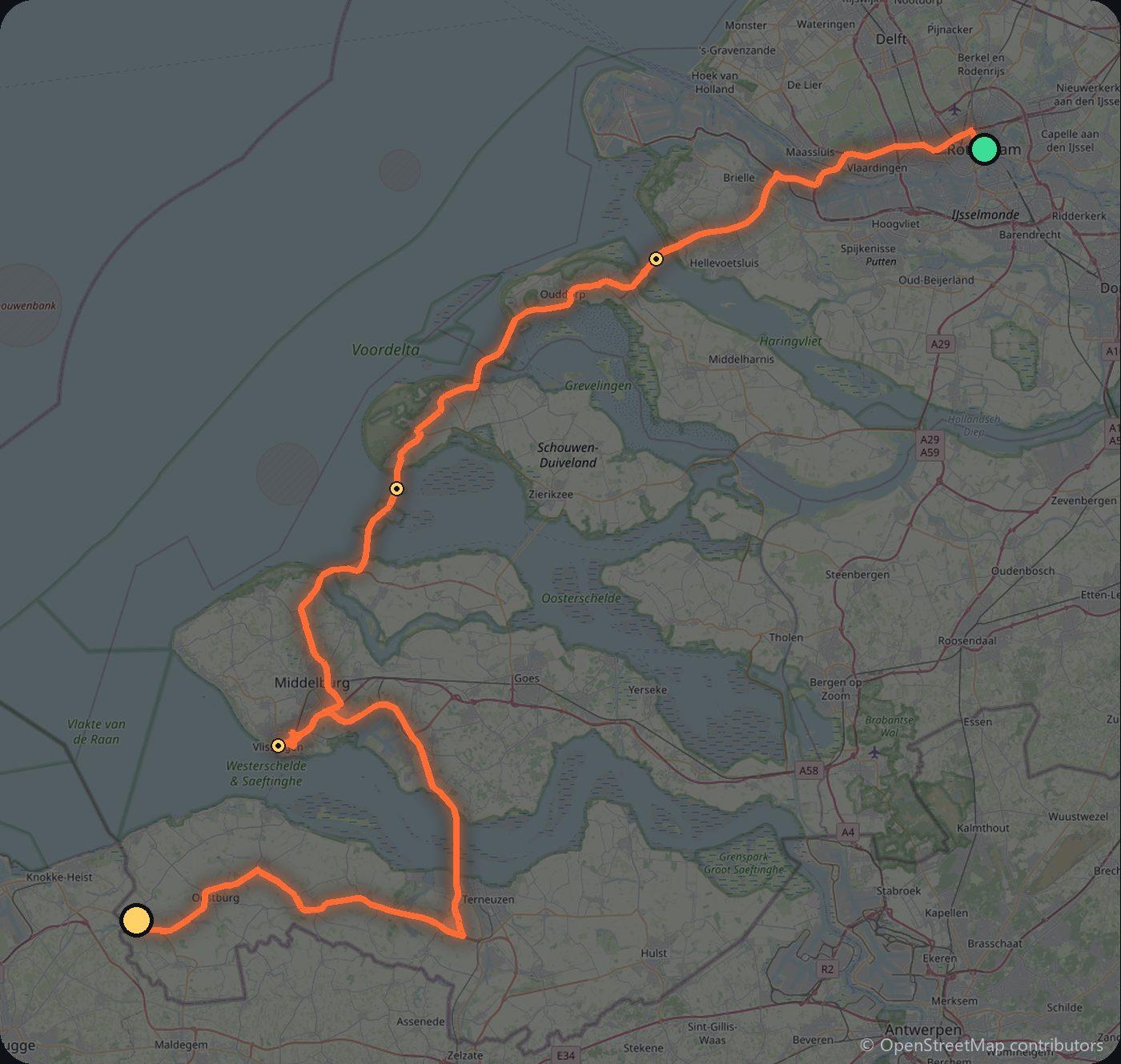
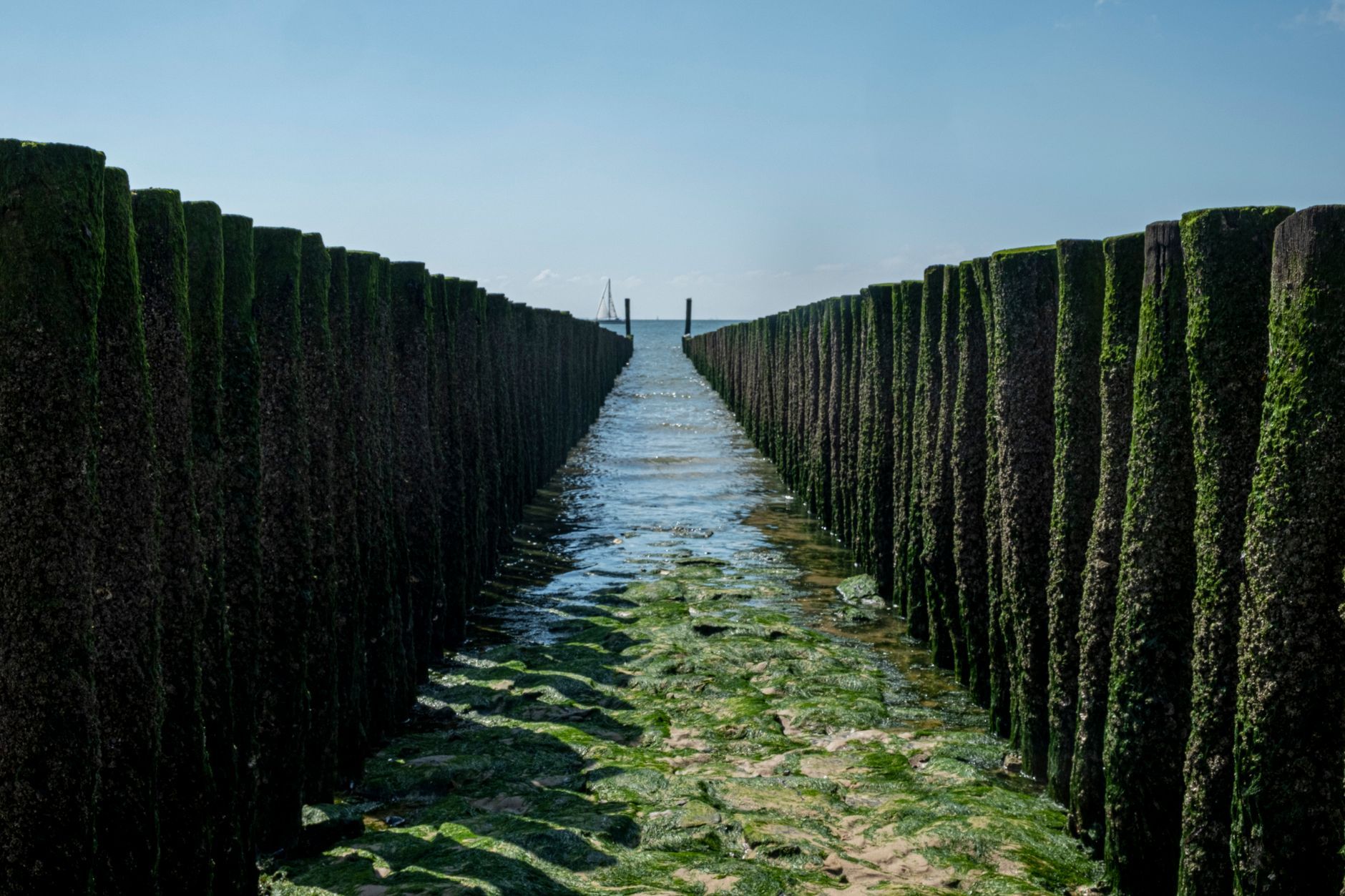
Most road trips drive through landscape. This one drives across engineering. Zeeland is a set of islands the Dutch stitched into a peninsula after the sea killed 1,836 people here in one night in 1953, and the road runs along the top of the answer — 179 kilometres of dams, barriers and bridges with the North Sea on one side and calm water on the other.
Day 1 — Rotterdam to Zierikzee across the Delta Works (66 km)
South out of Rotterdam and onto the dams. The Haringvlietdam and then the Brouwersdam carry the road straight out over water, and the difference between the two sides — chop on the left, glass on the right — is the whole point of the exercise.
Zierikzee is the reward: a harbour town that kept its gates and its warehouses, and small enough to leave the car at the edge and walk in.
Day 2 — The storm surge barrier to Veere (37 km)
The short day and the best of them. The Oosterscheldekering runs nine kilometres across the mouth of the Eastern Scheldt and does not close it — the gates only drop when the sea gets serious, so the tide still moves and the oyster beds behind it still work. It is the piece of the Delta Works that everyone comes to see, and the drive along the top of it earns that.
Then the Zeelandbrug, five kilometres of low concrete curve, and down to Veere: a village that got rich trading wool with Scotland, stopped, and was never rebuilt over.
Day 3 — Under the Westerschelde to the Belgian border (76 km)
Through Vlissingen, where the big ships come past close enough to read, and then into the Westerscheldetunnel — 6.6 kilometres beneath the shipping channel.
Out the other side is Zeeuws-Vlaanderen: Dutch soil on the Belgian side of the water, quieter than anything behind you. Finish at Sluis, which is a Dutch town with Bruges twenty minutes away.
The tunnel stopped charging — recently
The Westerscheldetunnel was a toll tunnel for over twenty years. Since 30 December 2024 cars and motorcycles go through free; only vehicles over 3 metres tall still pay. Plenty of guides and forum posts have not caught up, so if you read somewhere that this drive costs money at the tunnel, that page is out of date.
The Netherlands charges no vignette and 99% of its motorways are free for cars. Two exceptions exist and neither is on this route: the Kiltunnel near Dordrecht at about €2, and the A24 Blankenburg link west of Rotterdam at €1.51 — that one is free-flow with no booth, billed by number plate, so it is worth knowing which road you are on when you leave the city.
What it costs
Use the cost calculator to price fuel and nights for your exact dates. With the tunnel now free, this route has no road charges at all — the costs are fuel, beds, and parking in the towns worth stopping in. The Vlissingen–Breskens ferry still runs but takes foot passengers and bicycles only; cars go under the water, not over it.
Where to stay on this route
Pick your dates and see what is available in Sluis.
See places to stay — Sluis →Affiliate link — we may earn a commission at no extra cost to you.
🚦 Know before you go
Vignette. The Netherlands uses no vignette and about 99% of its motorways are free for cars.
Tolls. No toll on this route. The country's two car charges are elsewhere: the Kiltunnel near Dordrecht (approx. €2, booths) and the A24 Blankenburg link west of Rotterdam (€1.51), which is free-flow with no booth and bills the number plate — worth knowing which road you are on when leaving the city.
Bridges & tunnels. The Zeelandbrug and the Delta Works dams are free.
Ferries. The Westerscheldetunnel replaced the car ferry and, SINCE 30 DECEMBER 2024, is free for cars and motorcycles; only vehicles over 3 m in height still pay. Many guides still say it costs money. The Vlissingen–Breskens ferry runs for foot passengers and bicycles only.
Good to know. The road here runs along the top of the Delta Works, built after the 1953 North Sea flood. The Oosterscheldekering is a barrier rather than a dam — its gates only close in a storm, so the tide still moves behind it.
Estimate your exact costs in the cost calculator. Prices are approximate — check official sites before you travel. Some links are affiliate links.
Plan this trip
Where to sleep
Hotels & B&Bs → Holiday homes & apartments → Campsites (bookable) → Campervan & overnight spots →Tours & tickets
Find things to do →Affiliate link — we may earn a commission at no extra cost to you.
Drive on from here
New road trips in your inbox
One email when we publish a new European route — the full guide, map and real costs. No spam, unsubscribe anytime.